Revamp Your Area Using Professional Paint Solutions
Renovating a area can be as straightforward as a fresh coat of paint. Professional painting services offer skill that goes surpasses mere aesthetics. Skilled painters appreciate the intricacies of choosing colors and surface preparation. Their work can improve both the interior and exterior of a home, adding value and appeal. However, understanding the full scope of this transformative process is essential for homeowners. What points should be addressed before starting on such a assignment?
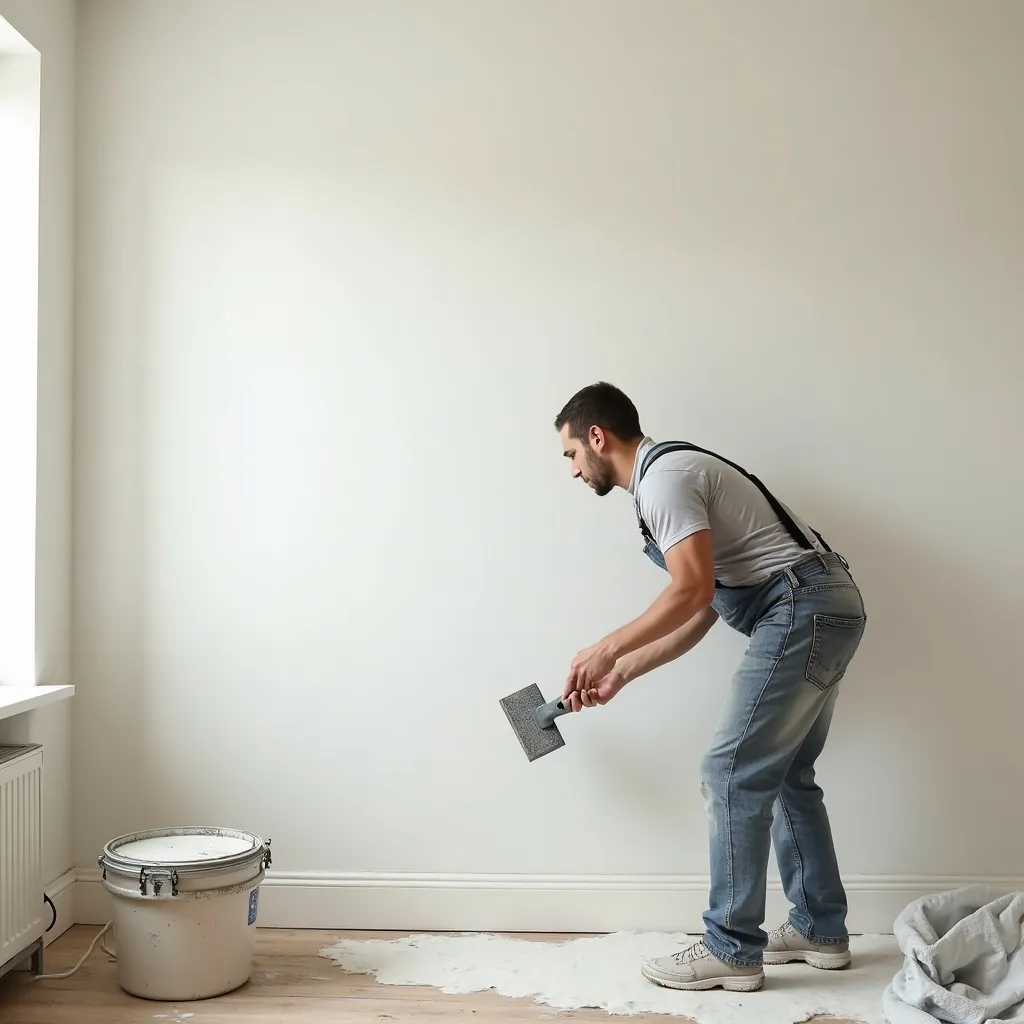
The Significant Strength of Experienced Painting
Professional paint work can redefine a space, breathing new life into tired interiors and exteriors. By applying fresh colors and finishes, it can dramatically alter perceptions and improve the overall atmosphere. A skillfully done paint job revitalizes not only walls but also the feeling of a room or building, making it feel more inviting and cohesive.
Multiple colors awaken various emotions; for example, gentle blues may create tranquility, while striking reds can inspire vitality. The selection of finish—matte, satin, or glossy—also plays an integral role in how light interacts with surfaces, further influencing the atmosphere.
Beyond aesthetics, professional painting provides protection to surfaces from damage, contributing lasting strength to both indoor and outdoor settings. It provides a practical solution to rejuvenate environments without undertaking major renovations. Ultimately, the key advantage of professional painting lies in its ability to improve both visual appeal and functionality.
Why You Ought to Contract Experienced Painters
Employing seasoned painting specialists offers a treasure trove of proficiency in color selection, making sure that the picked hues improve the visual appeal of a area. Their experience also guarantees efficient and prompt completion of the project, minimizing disruption to the resident's daily schedule. These specialists elevate the look of a room while also optimizing the painting workflow.
Competence In Color Determination
What ways can the optimal color transform a room? Skilled painters hold a deep understanding of color psychology and its effect on mood and perception. They assist homeowners with the selection process, ensuring the selected hues complement the space's architecture and lighting. Professional painters are experienced at spotting popular colors and timeless palettes, helping clients obtain a cohesive aesthetic. Their expertise extends beyond just preference, as they factor in room size and function. In addition, they provide advice on finishes and textures, boosting the overall effect. Utilizing their knowledge, homeowners can avoid costly errors and achieve a beautifully transformed space that reflects their personal style and elevates their living environment.
Efficient And Rapid Delivery
The transformation of a space goes beyond color selection; it also depends on the implementation of the painting work. Hiring professional painters ensures that this implementation is both effective and timely. Professional painters possess the expertise to ready surfaces correctly, use the right materials, and apply methods that yield high-quality results. Their background minimizes errors and redoing work, which can significantly extend project schedules. In addition, skilled painters can foresee obstacles and handle them quickly, keeping the project on track. By entrusting the job to experts, homeowners can enjoy a seamless experience, transforming their spaces quickly without compromising quality. Ultimately, the value of engaging professional painters lies in their capacity to deliver exceptional results within a specified timeframe.
Choose the Ideal Color Scheme for Your Space
Determining the best color selection for a space can profoundly influence its ambiance and performance. A judiciously selected palette can produce a integrated style, improving both visual allure and psychological impact. For example, pale neutral colors often inspire serenity, making them ideal for bedrooms, while dynamic colors can activate gathering spaces like living rooms.
Reflect on the lighting conditions in the room; colors may appear different based on illumination. Furthermore, existing furniture pieces and decorative elements should inform color picking to maintain uniformity. The use of color theory can also provide valuable information; colors opposite each other can establish balance, whereas colors next to each other evoke a feeling of movement.
Ultimately, individuals ought to take personal preferences into account, as colors frequently carry emotional significance. Testing hues on the walls can help envisioning the final result, offering refinements before binding oneself to a full application. This deliberate selection process converts any room into a reflection of individual character and comfort.
Get Your Home Ready for Painting
Readying a home helpful tips for painting involves several critical steps to assure a smooth process. Clearing the area of furniture and decor creates a clean workspace, while patching wall blemishes provides a flawless surface. Additionally, picking the right paint can substantially impact the final appearance and durability of the finished project.
Sweep The Perimeter
Clearing the area is crucial for a successful painting project. A properly organized space improves efficiency and minimizes complications during the painting process. Homeowners should start by removing furniture and decor from the room, ensuring that all surfaces are available. If items cannot be moved, protecting them with drop cloths or plastic sheeting will protect them from paint splatters. Additionally, it is important to clear pathways for the painters, allowing them to move freely and safely. Removing wall hangings, light fixtures, and outlet covers will also enable a smoother painting experience. Taking these preliminary steps not only safeguards belongings but also contributes to a clean and organized environment, ultimately leading to a more professional finish in the painting project.
Fix Surface Imperfections
Once the area has been prepared, attention should shift toward repairing wall irregularities. This stage is important for achieving a even, professional finish. Common issues such as cracks, holes, and dents need to be addressed before putting on paint. A thorough review of the walls is important; any imperfections should be identified for repair. Using spackle or joint compound, these blemishes can be filled and smoothed over. Once dried, sanding the patched areas secures a seamless surface. Additionally, it’s important to clean the walls afterward to remove any dust or debris. Proper wall preparation not only improves the aesthetic appeal but also extends the longevity of the paint job, making it a crucial part of the painting process.
Opt For The Proper Paint
What is the best way to pick the ideal paint for your space? Selecting the right paint involves multiple important factors. First, you should assess the room's function; high-traffic areas may require durable, washable finishes, while bedrooms may benefit from softer, more soothing hues. Next, lighting plays a crucial role; natural light can alter a color's appearance throughout the day. Additionally, choosing the appropriate finish—matte, eggshell, satin, or gloss—impacts both aesthetics and maintenance. It's also essential to examine the existing décor and color schemes to keep harmony within the space. Finally, consulting with a professional can offer valuable insights, guaranteeing the chosen paint not only improves the environment but also meets practical needs.
Recommendations for Caring for Your Freshly Painted Spaces
Caring for freshly painted surfaces necessitates meticulous care to guarantee durability and brightness. Frequent cleaning is important; using a soft cloth or sponge with diluted soap and water helps remove dust and stains without injuring the paint. Bypass strong chemicals, as they can degrade the finish.
It is advisable to inspect surfaces periodically for any signs of wear, such as chipping or peeling. Early detection allows for timely touch-ups, preventing minor issues from becoming major problems.
Additionally, regulating the interior conditions can greatly affect painted surfaces. Maintaining a consistent temperature and humidity control prevents the paint from cracking or blistering.
Be conscious of high-traffic areas that may require more frequent care. Arranging furniture or floor coverings strategically can protect these surfaces. By using these straightforward approaches, one can make certain that their newly painted spaces remain beautiful for years to come.
Top 5 Mistakes to Prevent When Hiring a Painting Professional
Hiring a painter can significantly change the overall aesthetic and value of a space, yet many homeowners unintentionally make critical mistakes during the selection process. One common error is neglecting to review references and reviews, which can lead to hiring unqualified individuals. Another error is failing to obtain detailed written estimates, leaving room for unexpected costs. Homeowners often overlook the importance of verifying permits and insurance, risking liability in case of accidents. Additionally, not discussing paint colors and finish types thoroughly can result in dissatisfaction with the final look. Finally, many rush the timeline, failing to allow adequate prep work that guarantees a long-lasting finish. By avoiding these pitfalls, homeowners can secure a professional painter who meets their needs and enhances their space effectively.
Frequently Asked Questions
How Much Time Does a Standard Painting Project Take to Complete?
A typical paint job generally requires 1-2 weeks to finish, based on elements such as the area size, complexity of the job, and curing periods for different paint types and surface treatments.
What Types of Paint Finishes Are Available?
Multiple paint finishes are offered, including matte, eggshell, satin, semi-gloss, and gloss. Every finish provides different characteristics, impacting durability, sheen, and overall appearance, permitting individuals to choose based on their specific aesthetic and functional needs.
Are there environmentally friendly paint options accessible?
Yes, nature-friendly painting solutions are readily available. These formulations are composed with negligible volatile organic compounds (VOCs), lessening ecological effects while supplying healthy alternatives for residential and commercial undertakings, advancing cleaner air quality.
Should I Shift My Furniture Before Applying Paint?
Yes, shifting furniture before applying paint is recommended. This protects items from paint drips and provides better reach to walls. It also ensures a smoother painting process, producing a more professional finish overall.
What Measures Can I Consider if I'M Disappointed With the Color?
If someone feels unsatisfied with the color, they should contemplate talking to a professional for guidance, looking at color samples, and possibly redoing the color. Changing lighting and sampling different shades might also assist in making a choice.